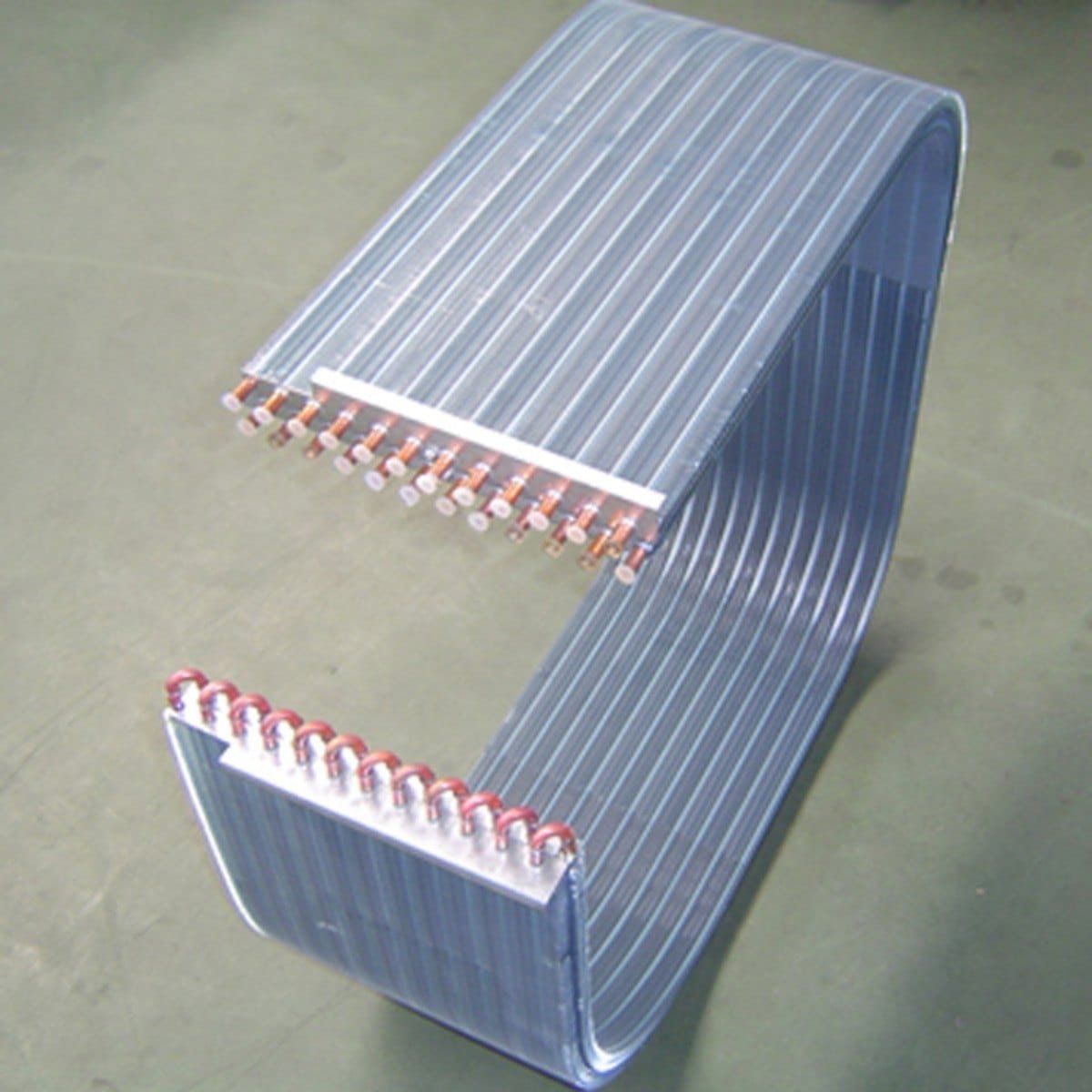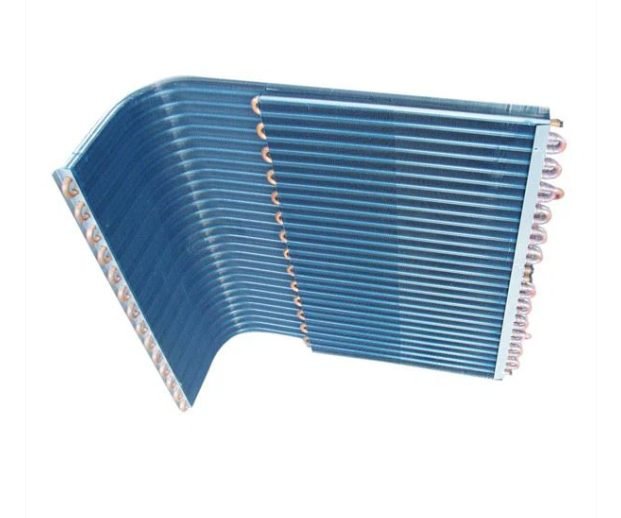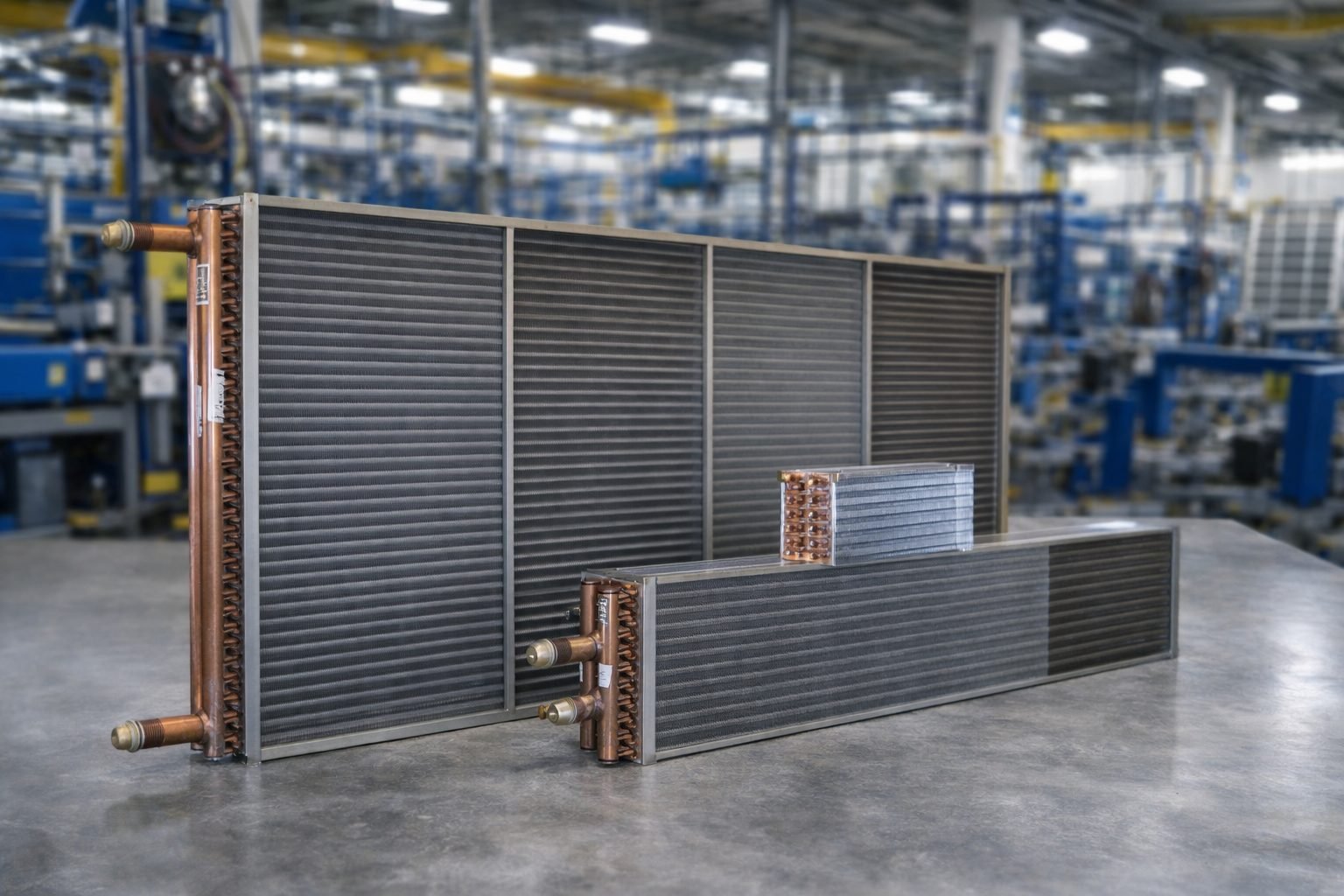
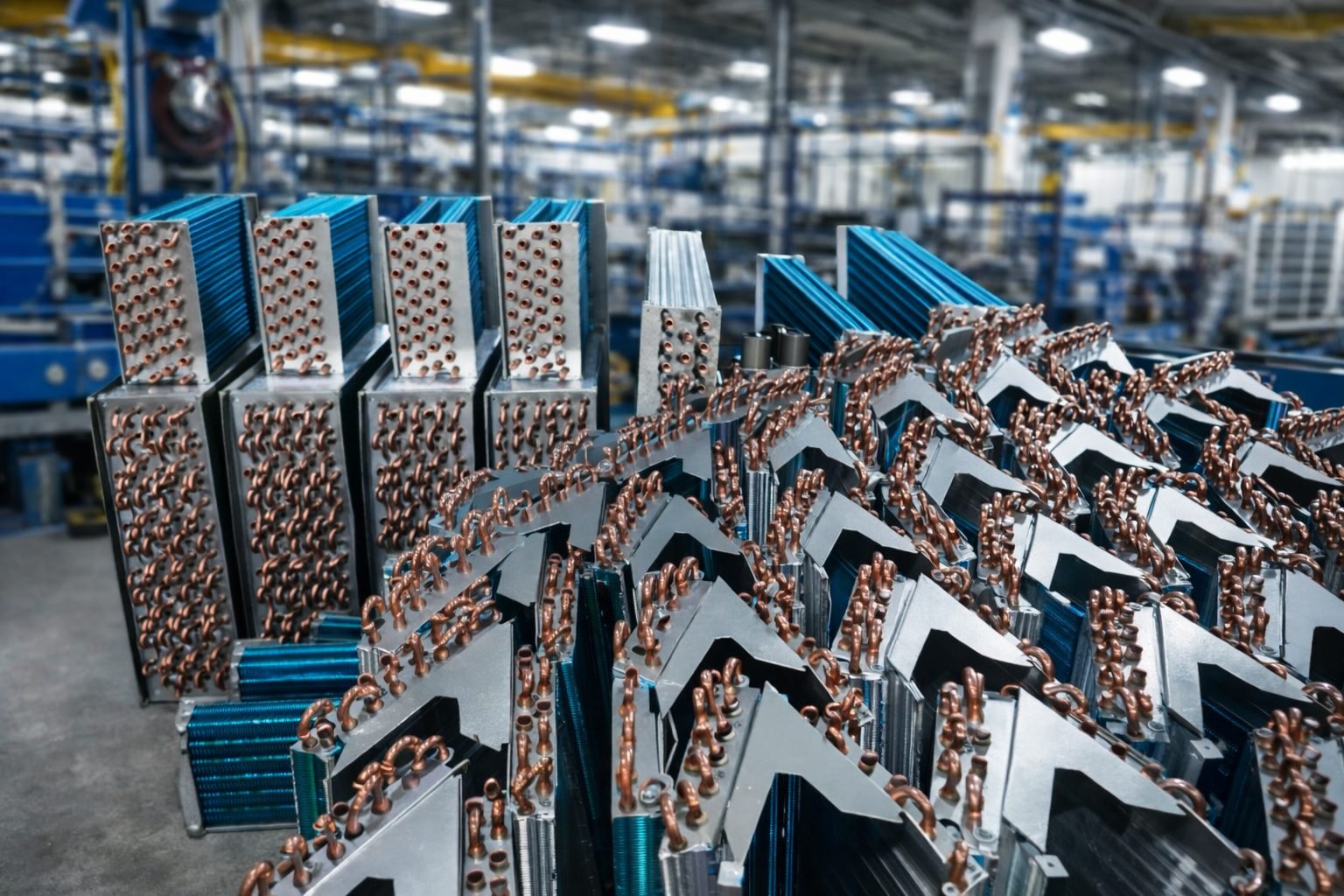
A leak is the most common — and most expensive — way a coil fails. The best time to catch one is in the factory, not on your roof.
Here's how proper testing prevents field failures.
Why coils leak
Leaks usually start at brazed joints or from handling damage. A microscopic pinhole can bleed refrigerant charge for weeks before anyone notices the lost capacity.
Leak testing
Every coil should be leak-tested — by immersion or gas detection — to find defects invisible to the eye. AGH tests every single unit, not a sample.
Pressure testing to 35 bar
Pressure testing loads the coil well beyond normal operating pressure to prove it holds. AGH pressure-tests at 35 bar so coils survive real-world duty with margin to spare.
What it means for you
A tested coil installs leak-free the first time — no lost charge, no callbacks. It's central to AGH's quality promise.
Key takeaways
- Leaks are the top cause of coil failure
- Every coil should be leak-tested, not sampled
- 35-bar pressure testing proves real-world integrity
- Testing prevents costly field callbacks
See Our Quality
Get a precision quote from our Delhi NCR team within 24 hours.