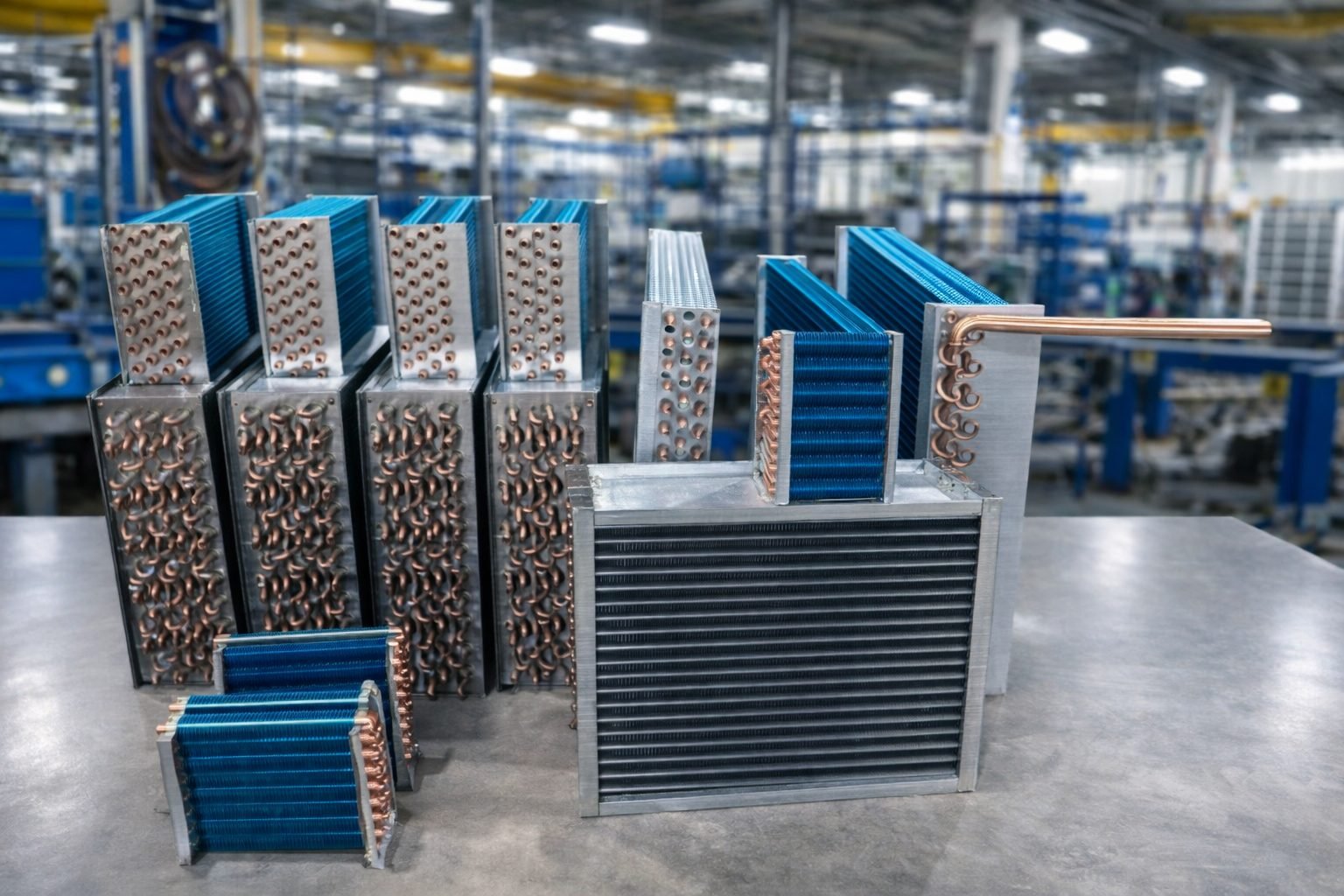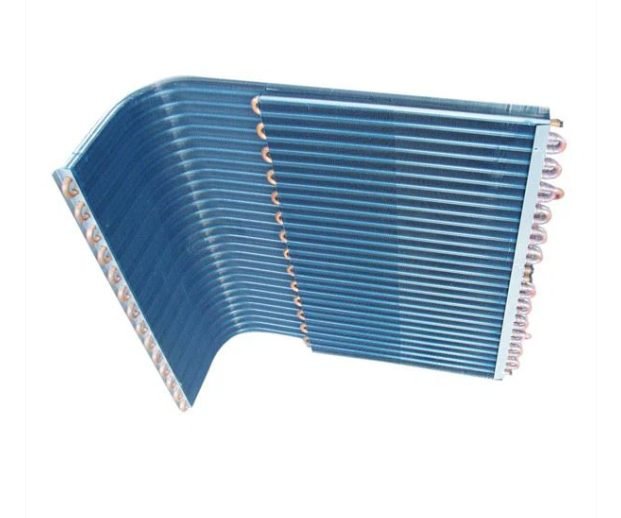
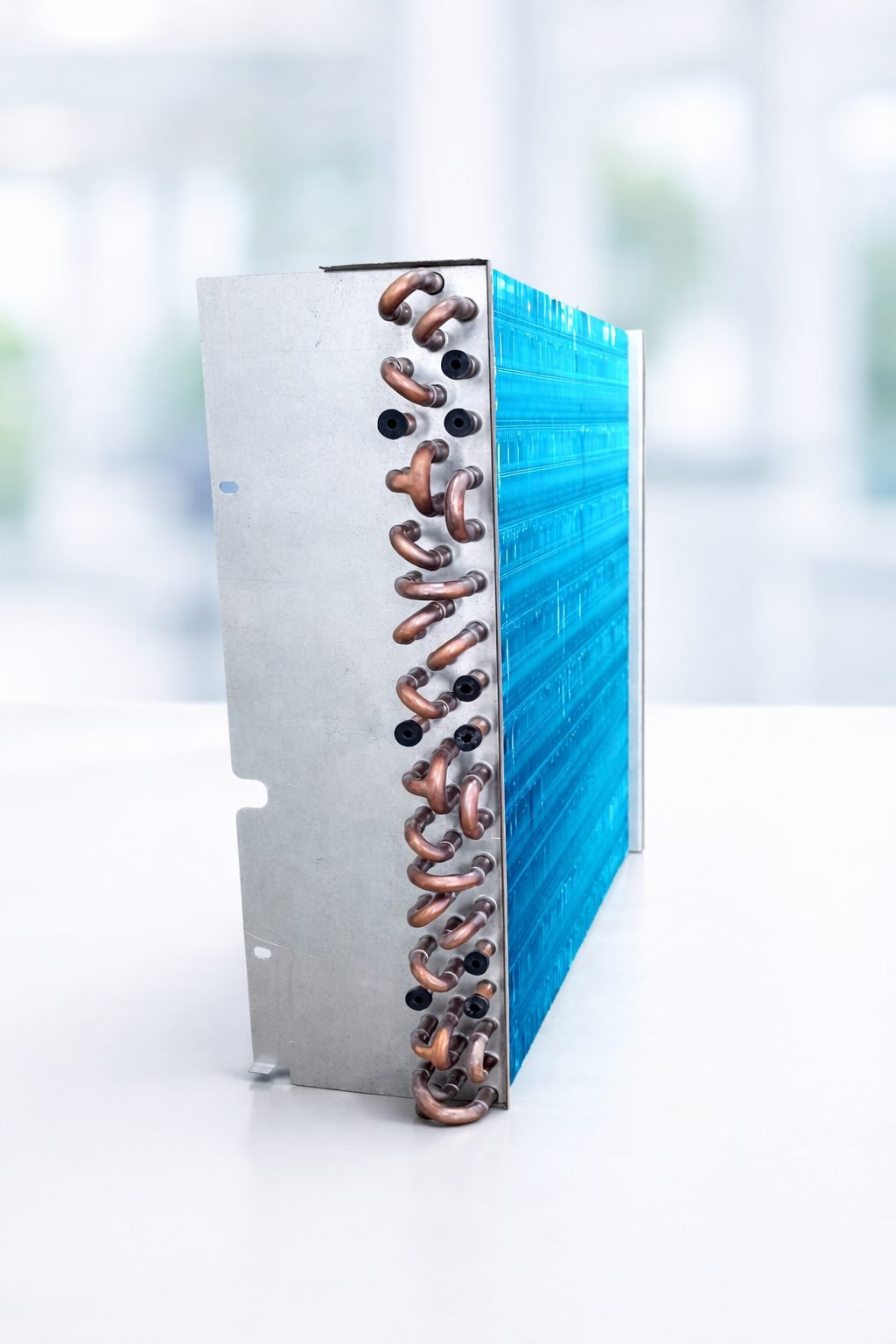
It looks simple — air blows over a coil and comes out cold. But understanding the heat transfer helps you specify and maintain coils better.
Here's the 101.
Heat flows from hot to cold
The refrigerant or chilled water inside the tubes is colder than the air. Heat naturally flows from the warmer air into the colder fluid, cooling the air.
Fins multiply the surface
Bare tubes have limited surface area. Fins vastly expand the area in contact with air, so far more heat transfers per pass — which is why fin condition matters so much.
The tube-to-fin bond
Heat has to cross from fin to tube to fluid. A tight expanded bond keeps that path unobstructed.
Why maintenance matters
Dirt on fins and gaps in the bond both add resistance. Keeping the surface clean preserves the whole chain — see the maintenance guide.
Key takeaways
- Heat flows from warm air to cold fluid
- Fins multiply heat-transfer surface
- The tube-to-fin bond must be tight
- Clean surfaces preserve performance
Explore Cooling Coils
Get a precision quote from our Delhi NCR team within 24 hours.